


Lavender is more than just a beautiful, fragrant plant — it’s a versatile addition to any garden, offering calming aromas, stunning blooms, and even culinary and therapeutic uses. Whether you’re a beginner gardener or looking to add a touch of elegance to your outdoor space, knowing how to grow lavender correctly can make all the difference.
In this guide, we’ll walk you through 7 easy steps on how to grow lavender successfully, from selecting the right variety and preparing the soil to watering, pruning, and harvesting. By following these simple steps, you’ll be on your way to cultivating healthy, thriving lavender that fills your garden with color, fragrance, and charm.
Table of Contents
Why Grow Lavender?
Lavender is much more than just a visually appealing plant. Its combination of beauty, fragrance, and practicality makes it one of the most rewarding herbs to grow. Here’s a deeper look at why cultivating lavender is worthwhile:
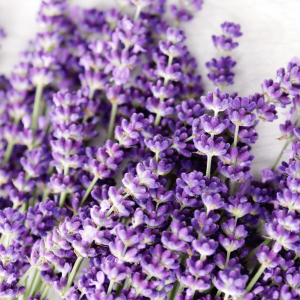
1. Fragrant Garden Addition
Lavender is well-known for its calming, aromatic scent. Planting it in your garden or near walkways releases a soothing fragrance whenever the breeze passes by. This natural aroma can reduce stress, create a relaxing environment, and even improve sleep quality. Its scent also makes it ideal for indoor use, in the form of dried flowers or essential oils.
2. Pollinator-Friendly
Lavender blooms are rich in nectar, attracting bees, butterflies, and other beneficial insects. By planting lavender, you support pollinators that are crucial for the health of your garden and local ecosystem. This not only improves pollination for nearby plants like vegetables and fruits but also encourages biodiversity.
3. Low Maintenance
One of the biggest advantages of lavender is its hardiness. Once established, it requires minimal watering, tolerates poor soil, and resists many common garden pests. This makes it perfect for beginners, busy gardeners, or anyone looking for a plant that doesn’t demand constant attention.
4. Versatile Uses
Lavender is extremely versatile. You can harvest the flowers for:
- Essential oils and aromatherapy: For relaxation, stress relief, or skincare.
- Culinary purposes: Some varieties, like English lavender, can be used in teas, desserts, or lemonade.
- DIY crafts: Dried lavender can be used in sachets, potpourri, candles, soaps, and home décor.
5. Year-Round Beauty
Even when it’s not flowering, lavender adds visual appeal to gardens. Its silvery-green foliage provides texture and color, complementing other plants and creating a structured, elegant look.
6. Eco-Friendly Choice
Lavender is a natural, low-maintenance plant that thrives without heavy fertilizers or pesticides. Growing it helps maintain a healthy garden ecosystem while supporting pollinators and other wildlife.
Benefits of Growing Lavender
- Calming Fragrance: Lavender’s soothing scent helps reduce stress, anxiety and promotes better sleep.
- Attracts Pollinators: Bees, butterflies, and other beneficial insects are drawn to lavender, improving garden biodiversity and pollination.
- Low Maintenance: Once established, lavender requires minimal watering, care, and fertilizer.
- Versatile Uses: Can be used for essential oils, teas, sachets, soaps, candles, and culinary recipes.
- Natural Pest Repellent: Its aroma helps repel moths, mosquitoes, and other unwanted insects.
- Drought-Tolerant: Thrives in dry conditions, making it ideal for low-water gardens.
- Aesthetic Appeal: Adds year-round beauty with its purple blooms and silvery-green foliage.
- Supports Eco-Friendly Gardening: Requires minimal chemicals and fertilizers, promoting sustainable gardening practices.
- Therapeutic Uses: Lavender oil can be used for massage, skin care, and aromatherapy.
- Easy to Propagate: Can be grown from seeds, cuttings, or divisions, making it accessible for beginners.
Best Growing Conditions for Lavender
- Sunlight: Needs 6–8 hours of direct sunlight daily for strong growth and vibrant blooms.
- Soil: Well-drained sandy or loamy soil with a pH of 6.5–7.5; avoid heavy or overly fertile soil.
- Watering: Deep but infrequent watering; allow soil to dry out between watering to prevent root rot.
- Spacing: Keep plants 12–18 inches apart to ensure good airflow and reduce disease risk.
- Drainage Tip: Poor drainage is the most common cause of root rot; raised beds or mounded soil help improve drainage.
- Climate Preference: Thrives in warm, dry conditions similar to Mediterranean regions.
- Maintenance: Minimal care once established; prune lightly after flowering to maintain shape and encourage blooms.

1. Choose the Right Lavender Variety
Selecting the right type of lavender is the foundation of your growing success. While all lavender plants share that signature fragrance and stunning purple hue, not every variety thrives in the same conditions. Understanding your climate, soil type, and intended use will help you choose the best match before you start learning how to grow lavender effectively.
English Lavender (Lavandula angustifolia)
This classic variety is the most common and widely grown type of lavender. It’s known for its sweet, soothing aroma and compact growth, making it ideal for gardens, borders, and even indoor pots. English lavender prefers cooler climates and can tolerate mild frost, making it a great choice for regions with cold winters and moderate summers.
Best Features:
- Produces highly aromatic flowers perfect for essential oils and sachets.
- Blooms in early to mid-summer and can flower twice with proper pruning.
- Grows well in USDA zones 5–9.
Ideal For: Cooler regions, home gardeners who want fragrant flowers for crafts or oils, and those looking for a hardy, low-maintenance plant.
French Lavender (Lavandula dentata)
French lavender stands out with its toothed leaves and long blooming season. It’s perfect for warmer regions where winters are mild and summers are dry. This type doesn’t produce as strong an aroma as English lavender, but it compensates with its lush appearance and long-lasting color.
Best Features:
- Blooms almost year-round in mild climates.
- Adds texture and visual appeal to ornamental gardens.
- Performs best in USDA zones 8–11.
Ideal For: Gardeners in warm climates who want lavender primarily for decoration and landscaping rather than oil production.
Spanish Lavender (Lavandula stoechas)
Spanish lavender is easily recognizable by its unique “rabbit ear” bracts at the top of each flower spike. It’s one of the most heat-tolerant and eye-catching varieties, thriving in hot, dry climates where other types may struggle. Its aroma is slightly sharper and more medicinal than English lavender, making it great for potpourri or natural insect repellents.
Best Features:
- Very heat- and drought-tolerant.
- Distinctive flower shape adds visual flair to gardens.
- Suitable for USDA zones 7–10.
Ideal For: Hot and sunny regions, decorative garden borders, or rock gardens that need vibrant color with minimal watering.
How to Choose the Best Lavender for Your Space
When deciding which lavender variety to grow, consider these quick guidelines:
- If you live in a cool or temperate climate, go with English Lavender.
- If your area has hot summers and mild winters, French Lavender will thrive.
- If you experience very hot, dry conditions, Spanish Lavender is the best choice.
Choosing the right lavender variety not only ensures healthy growth but also saves you time and effort later. Once you know your ideal match, you’ll be ready for the next steps — planting, caring, and harvesting — as you continue learning how to grow lavender that thrives beautifully in your garden.
2. Select the Perfect Spot
Once you’ve chosen the right variety, the next step in learning how to grow lavender is finding the perfect location. Lavender is a sun-loving plant that thrives in open, airy spaces with plenty of light and warmth. The right spot will ensure strong root development, vibrant blooms, and that signature fragrance everyone loves.
Give Lavender Plenty of Sunlight
Lavender needs at least 6 to 8 hours of direct sunlight daily to grow well. In fact, the more sun it gets, the better it will bloom. If you’re growing lavender indoors, place the pot near a south-facing window or under a grow light to mimic natural sunlight. Without enough light, the plant becomes leggy, weak, and produces fewer flowers.
Tip: Morning sun is especially beneficial, as it helps dry dew from the leaves and prevents fungal issues.
Choose a Warm, Dry Area
Since lavender originated in the Mediterranean region, it loves warm days and cool nights. Choose a spot that stays dry and doesn’t retain moisture. Avoid low-lying areas in your garden where water tends to pool, as lavender dislikes wet roots and excessive humidity.
If you live in a cooler climate, plant lavender near a wall, fence, or rock garden — these structures reflect heat and help protect the plant from cold winds.
Ensure Good Air Circulation
Lavender thrives in areas with good airflow. Proper ventilation prevents mold and mildew, which are common problems in humid regions. When planting multiple lavenders, space them 12 to 18 inches apart so that air can move freely between the plants.
Tip: Avoid overcrowding your plants. Air circulation is just as important as sunlight for keeping your lavender healthy.
Container Gardening Option
If your soil or weather conditions aren’t ideal, you can still learn how to grow lavender successfully in pots. Choose containers with drainage holes and use a light, sandy potting mix. Place the pots where they’ll receive full sun—like a sunny balcony, patio, or windowsill.
Container-grown lavender not only gives you flexibility but also allows you to move plants indoors during frost or heavy rain.
Check the Surrounding Environment
Lavender pairs beautifully with other sun-loving, drought-tolerant plants such as rosemary, sage, and thyme. Avoid planting it near moisture-loving plants like ferns or hostas, which can create damp conditions unfavorable for lavender growth.
Choosing the right location is one of the most crucial steps in how to grow lavender successfully. The perfect spot will keep your plants strong, vibrant, and fragrant for years to come—turning your garden or balcony into a relaxing, aromatic haven.
3. Prepare Well-Draining Soil
The secret to successfully learning how to grow lavender lies in the soil. Lavender hates having “wet feet,” meaning it does not tolerate soggy or compacted soil. In its native Mediterranean environment, the plant thrives in rocky, sandy, and well-drained soil — and that’s exactly what you should recreate in your garden.
Check Your Soil Type
Start by examining your garden soil. If it’s heavy clay or tends to hold water after rainfall, it’s not suitable for lavender without some modification. You can test drainage by digging a small hole, filling it with water, and observing how fast it drains. If the water remains after 30 minutes, the soil needs improvement before planting.
Ideal Soil Types for Lavender:
- Sandy or loamy soil that drains quickly.
- Soil with moderate to low fertility (too much organic matter encourages weak, floppy growth).
Improve Drainage Naturally
If your soil is too dense, you can easily fix it by amending it with the right materials. Mix in one or more of the following:
- Coarse sand or perlite: Helps increase drainage and air circulation.
- Small gravel or pumice: Prevents root rot by keeping the soil loose.
- Compost (in moderation): Adds slight nutrients but should not make the soil rich.
For garden beds, you can also plant lavender on raised mounds or elevated beds to help excess water drain away faster.
Soil pH Matters
Lavender prefers slightly alkaline to neutral soil, with a pH between 6.5 and 7.5. If your soil is too acidic, mix in a bit of garden lime or crushed eggshells to raise the pH gradually. You can easily check your soil’s pH using an inexpensive home testing kit.
Fertilizing — Less Is More
When learning how to grow lavender, many beginners assume adding fertilizer will boost growth — but with lavender, the opposite is true. Rich soil or heavy feeding can make the plant grow lots of leaves and few flowers. Lavender thrives best in lean soil, so avoid using nitrogen-rich fertilizers.
If you must feed your plants, do it lightly once a year in early spring with a slow-release organic fertilizer or a small amount of compost tea.
Container Soil Mix
For pot-grown lavender, use a custom mix like this:
- 50% potting soil
- 30% coarse sand or perlite
- 20% small gravel or pumice
This combination keeps the roots dry and oxygenated — perfect for healthy growth and strong fragrance.
4. Planting Lavender Seeds or Cuttings
Once your soil and location are ready, it’s time for the exciting part — planting! Learning how to grow lavender successfully starts with understanding the best method to begin: from seeds or cuttings. Both approaches can yield beautiful, fragrant plants, but they differ in time, effort, and reliability.
Growing Lavender from Seeds
Growing lavender from seeds requires patience, but it’s an affordable and rewarding way to start. Keep in mind that germination can be slow, so don’t worry if progress seems gradual.
Steps to Grow Lavender from Seeds:
- Start Indoors: Sow seeds indoors about 8–10 weeks before the last expected frost. Lavender seeds germinate best in warm, consistent temperatures (around 70°F or 21°C).
- Use Light Soil: Fill a seed tray or small pots with a light, well-draining seed-starting mix. Press the seeds gently into the soil surface and cover them with a very thin layer of soil or vermiculite.
- Moisture and Light: Mist the soil regularly to keep it lightly moist (not soggy). Place the tray in a warm, sunny window or under a grow light for at least 8 hours a day.
- Germination Time: Seeds can take 2–4 weeks (sometimes longer) to sprout. Be patient — lavender grows slowly at first.
- Transplant Carefully: When seedlings reach about 2–3 inches tall and have several true leaves, transplant them into larger pots or directly into your garden after the danger of frost has passed.
Tip: Before moving seedlings outdoors, harden them off for a few days by gradually exposing them to direct sunlight and outdoor conditions. This helps prevent transplant shock.
Growing Lavender from Cuttings
If you want faster, more reliable results, starting from cuttings is the best way to grow lavender. This method clones a healthy parent plant, ensuring the new plant retains all its best traits — fragrance, flower color, and growth habit.
Steps to Grow Lavender from Cuttings:
- Select Healthy Stems: Choose non-flowering stems from a mature lavender plant in spring or early summer. The stems should be about 3–4 inches long and free of damage.
- Prepare the Cuttings: Remove the lower leaves from the bottom half of the stem. If available, dip the cut end into rooting hormone powder to encourage root growth.
- Plant in Pots: Fill small pots with a mix of half sand and half potting soil. Insert each cutting about 1–2 inches deep and firm the soil around it.
- Maintain Humidity: Cover the pot loosely with a plastic bag or humidity dome to retain moisture, but make sure air can circulate to prevent mold.
- Water Gently: Keep the soil slightly damp — not wet. Roots should start forming within 3–4 weeks.
- Transplant Outdoors: Once roots are strong and new growth appears, move your cuttings to their permanent spot in the garden or into a larger container.
Spacing and Planting Tips
- Space plants 12–18 inches apart to ensure good air circulation.
- Plant them at the same depth as they were in the pot — burying too deep can cause rot.
- Water lightly after planting to help the soil settle around the roots.
Whether you start from seeds or cuttings, both methods can yield thriving plants if you follow the right steps. Seeds require patience but offer variety, while cuttings give you a quicker, more consistent start. Once you’ve mastered this stage of how to grow lavender, you’re well on your way to a fragrant, long-lasting garden filled with color and calm.
5. Watering Lavender the Right Way
When it comes to how to grow lavender, watering is one of the most crucial yet commonly misunderstood steps. Lavender is a drought-tolerant plant that thrives in dry conditions, so too much water can do more harm than good. The key is to strike a perfect balance — giving enough moisture to establish roots without creating soggy soil that leads to rot.
Understand Lavender’s Watering Needs
Lavender naturally grows in the arid regions of the Mediterranean, where rainfall is minimal, and the soil drains quickly. Once established, it prefers deep but infrequent watering, allowing the soil to dry out between each session.
- New Plants: During the first growing season, water young lavender plants once or twice a week to help roots settle in.
- Established Plants: After the first year, reduce watering to every 2–3 weeks, or even less if you live in a humid or rainy climate.
- Container Plants: Potted lavender dries out faster than garden soil, so check the top inch of soil regularly. Water when it feels dry to the touch.
How to Water Properly
The way you water lavender matters just as much as how often. Follow these steps for the best results:
- Water at the Base: Always water directly at the soil level, not over the leaves or flowers. Wet foliage increases the risk of fungal infections.
- Water Deeply: Give the soil a slow, deep soak so moisture reaches the roots. Avoid light, frequent watering that only wets the surface.
- Morning Watering: Watering in the early morning helps any excess moisture evaporate quickly, keeping your plant healthy and mold-free.
Watch for Signs of Overwatering
Overwatering is one of the top reasons lavender fails to thrive. Common symptoms include:
- Yellowing leaves
- Wilting despite moist soil
- Root rot (roots turning brown or mushy)
- Lack of new growth or flowering
If you notice any of these signs, let the soil dry completely before watering again. You can also improve drainage by mixing gravel or sand into the soil.
Adapting to Climate Conditions
- Hot, Dry Climates: You might need to water slightly more often, especially during heat waves. However, always check the soil moisture first — lavender is tougher than it looks.
- Humid or Rainy Regions: You may barely need to water at all once the plant is mature. In such areas, ensure excellent drainage to prevent standing water.
- Winter: In cooler climates, lavender goes semi-dormant. Water sparingly during this time — only when the soil is completely dry.
Bonus Tip for Container Gardeners
If growing lavender in pots, make sure the container has drainage holes to prevent water buildup. You can also place a layer of small stones at the bottom for extra drainage. Avoid saucers that hold standing water under the pot.
Learning how to water lavender the right way is the difference between thriving plants and struggling ones. Remember: lavender prefers to be dry rather than drenched. By watering deeply but sparingly, you’ll encourage strong roots, abundant blooms, and that unmistakable soothing fragrance lavender is famous for.
6. Prune and Maintain for Better Growth
Pruning is one of the most important yet often overlooked steps in learning how to grow lavender successfully. Regular trimming not only keeps the plant looking neat and compact but also promotes fresh growth, prevents it from turning woody, and encourages more blooms. Without pruning, lavender can become leggy, with weak stems and fewer flowers over time.
Why Pruning Matters
Lavender is a perennial plant, which means it lives for many years. However, as it matures, its lower stems tend to harden and become woody. Once that happens, the plant’s ability to produce new shoots and flowers decreases. Regular pruning keeps lavender young, vibrant, and full of life.
Proper pruning also helps improve air circulation, reducing the risk of fungal diseases such as root rot or mildew — especially important if you live in a humid region.
When to Prune Lavender
Timing is key when it comes to pruning. Here’s how to do it right:
- Early Spring (Light Pruning):
As new growth starts to appear, trim away any dead or damaged stems from winter. This encourages healthy shoots and helps shape the plant for the growing season. - After Flowering (Major Pruning):
Once the first bloom cycle is over — usually in mid- to late summer — it’s time for a deeper prune. Cut the plant back by about one-third of its height, just above where new green shoots are forming. This encourages a second wave of blooms and helps prevent the plant from becoming woody.
Tip: Never cut into the old brown woody stems — lavender rarely regrows from those parts. Always leave a few inches of green growth on each stem.
How to Prune Properly
- Use Sharp, Clean Shears: Dull blades can tear stems, making the plant more vulnerable to disease.
- Shape Gently: Aim for a rounded, dome-like shape. This allows sunlight to reach all sides evenly and helps rainwater drain off easily.
- Remove Dead Blooms: After each flowering phase, deadhead spent blooms to encourage more flowers and a longer blooming season.
- Thin Dense Areas: If your plant looks crowded, remove a few inner stems to improve airflow and reduce moisture buildup.
General Maintenance Tips
- Weed Regularly: Weeds compete with lavender for nutrients and moisture, so keep the area around your plants clean.
- Mulch Wisely: Use light-colored gravel or small stones instead of organic mulch, which traps moisture and can lead to rot.
- Check for Pests: Lavender is generally pest-resistant, but aphids or spittlebugs may appear occasionally. Remove them with a gentle water spray or natural neem oil solution.
Seasonal Care Overview
- Spring: Light prune, fertilize lightly if needed, and water moderately.
- Summer: Heavy prune after blooms and continue light watering.
- Autumn: Stop pruning and let the plant prepare for dormancy.
- Winter: Protect from frost with a thin layer of straw or move pots indoors in colder zones.
Regular pruning and mindful maintenance are key to mastering how to grow lavender like a pro. A few strategic trims each year will keep your lavender compact, healthy, and bursting with fragrant blooms season after season. The result? A vibrant, low-maintenance plant that remains the highlight of your garden year-round.
7. Harvest and Enjoy Your Lavender
Harvesting is the most rewarding step in learning how to grow lavender — it’s when you finally get to enjoy the beautiful, fragrant blooms you’ve nurtured for months. The right harvesting technique not only ensures strong aroma and long-lasting color but also keeps your plant healthy for years to come.
When to Harvest Lavender
Timing makes a big difference in the fragrance and quality of your lavender. The best time to harvest depends on what you plan to use it for:
- For Fresh Bouquets: Harvest when about half of the flower buds have opened. This gives you a balance of color and fragrance.
- For Drying or Crafting: Pick lavender just before most buds open, when the essential oil concentration is highest — this is when the scent is strongest.
- For Essential Oils: Harvest in the morning, after the dew has dried but before the midday heat. Oil levels are most potent during this window.
Tip: Always avoid harvesting during or right after rain — moisture can cause flowers to mold during drying.
How to Harvest Lavender Correctly
- Use Sharp Shears or Pruners: Dull scissors can crush stems and damage the plant.
- Cut Above the Woody Growth: Snip the stems just above the green leafy part of the plant, leaving a few inches of green growth so new shoots can form.
- Bundle the Stems: Gather 10–15 stems together and tie them at the base with string or twine. Keep the bundles small to ensure even drying.
If your lavender plant is mature, you can harvest it multiple times a year — especially if you prune it lightly after each bloom cycle.
Drying and Storing Lavender
Drying lavender preserves its scent and color, making it perfect for home décor, potpourri, and DIY projects.
Steps to Dry Lavender:
- Hang Bundles Upside Down: Choose a dark, dry, and well-ventilated room — darkness helps retain the flower color.
- Allow 2–3 Weeks for Drying: Once the stems feel crisp and flowers crumble easily, they’re ready to use.
- Store Properly: Strip the buds from the stems and store them in airtight glass jars or paper bags. Keep them in a cool, dark place to maintain the aroma for months.
Creative Ways to Use Your Harvest
After you’ve mastered how to grow lavender, there are countless ways to enjoy it:
- Aromatherapy: Add dried buds or a few drops of lavender oil to your diffuser to promote calm and sleep.
- Home Décor: Display dried bundles in vases or wreaths for a rustic, relaxing touch.
- DIY Products: Use in soaps, candles, or bath salts for a soothing spa-like experience.
- Culinary Uses: English lavender is edible — sprinkle a small amount into cookies, lemonade, or herbal tea.
- Natural Pest Repellent: Dried lavender sachets keep moths and insects away from closets and drawers.
Encourage Future Blooms
After harvesting, give your plant a light prune and remove any spent stems. This not only tidies up the plant but also encourages new growth and possibly a second round of flowers later in the season.
Harvesting lavender is both an art and a joy. Once you know how to grow lavender from planting to pruning, this final step completes the cycle — rewarding you with fragrant, versatile blooms that can brighten your home, calm your senses, and even inspire your creativity all year long.
Conclusion
Growing lavender is a rewarding experience that combines beauty, fragrance, and practicality in your garden. By following these 7 easy steps on how to grow lavender successfully, you can ensure healthy plants that thrive year after year — from choosing the right variety and preparing well-drained soil to watering correctly, pruning, and harvesting at the perfect time.
With a little care and attention, your lavender will not only enhance your garden’s appearance but also provide calming scents, attract pollinators, and offer endless creative uses. Start planting today, and enjoy the timeless charm and benefits that lavender brings to your home and garden.
