
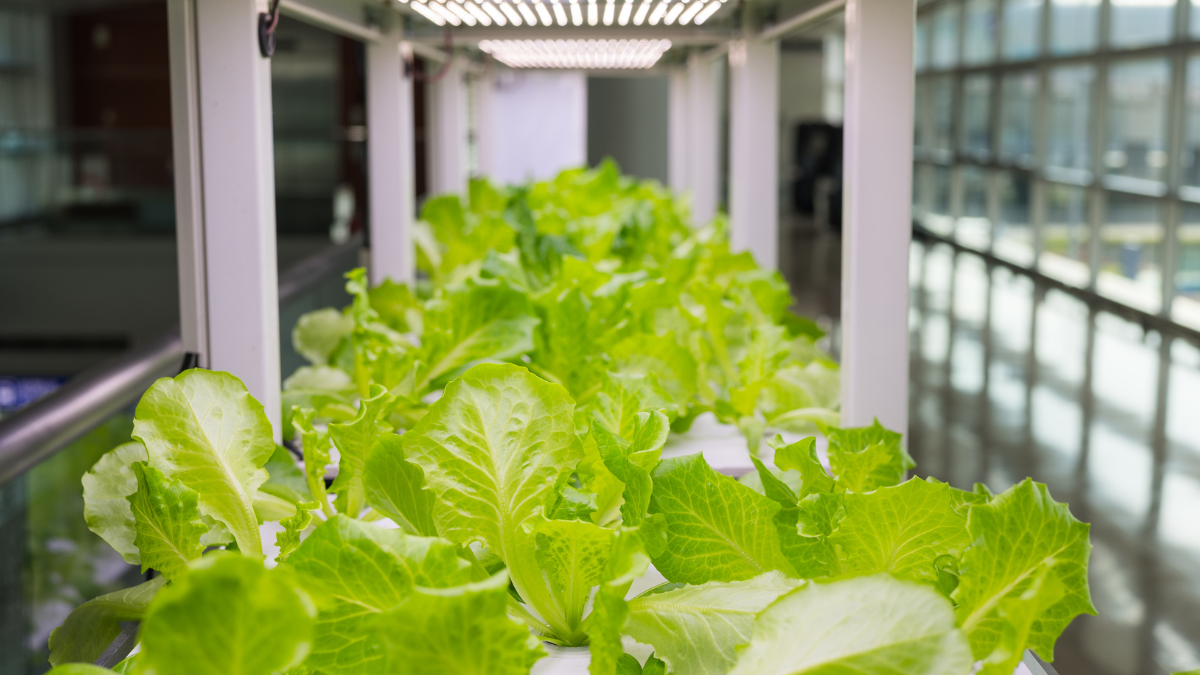
Imagine harvesting fresh, vibrant vegetables from your own indoor garden—even during winter or in apartments with limited sunlight. Indoor gardening has become increasingly popular, not just for urban dwellers but for anyone who wants a reliable supply of homegrown produce. However, one of the biggest challenges of growing vegetables indoors is ensuring they receive enough light to thrive.
This is where the best indoor grow lights for vegetables come into play. These specialized lights mimic the full spectrum of sunlight, providing your plants with the energy they need for photosynthesis, strong stems, and healthy leaves. Choosing the right grow light can mean the difference between weak, leggy plants and a flourishing indoor garden.
In this guide, we’ll explore everything you need to know about indoor grow lights—from the types available, optimal light hours, and proper distances, to tips for getting the most out of your setup. By the end, you’ll be equipped to create a thriving indoor vegetable garden no matter the season.
Table of Contents
Why Indoor Grow Lights Are Essential for Vegetables
Vegetables rely on light to perform photosynthesis, the vital process that converts sunlight into energy for growth. When growing indoors, however, natural sunlight is often limited—particularly during winter months or in spaces without south-facing windows. Without sufficient light, indoor vegetables can become leggy, produce fewer leaves, or fail to thrive.
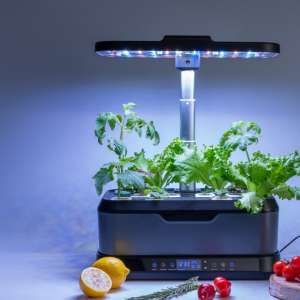
This is where indoor grow lights come into play. The best indoor grow lights for vegetables are designed to mimic the full spectrum of natural sunlight, providing the essential wavelengths your plants need at every stage of growth. With the right lighting, your vegetables can grow faster, develop stronger stems and leaves, and produce better-tasting, nutrient-rich harvests.
Investing in proper grow lights ensures your indoor garden flourishes year-round, regardless of the outdoor conditions.
Types of Grow Lights for Vegetables
When searching for the best indoor grow lights for vegetables, it’s important to understand the different types available and how they affect plant growth. Each type has unique advantages depending on your garden size, vegetable variety, and budget.
1. LED Grow Lights
LED grow lights are among the most popular choices for indoor vegetable gardens. They are energy-efficient, long-lasting, and capable of providing a full spectrum of light that can be adjusted for every stage of plant growth—from seedlings to mature vegetables.
Pros:
- Low energy consumption
- Long lifespan (50,000+ hours)
- Minimal heat output, reducing the risk of burning plants
Cons:
- Higher upfront cost
2. Fluorescent Grow Lights
Fluorescent lights, such as T5 tubes, are ideal for small indoor gardens and young plants. They provide a gentle, consistent light that encourages healthy growth, especially for leafy greens and herbs.
Pros:
- Affordable and widely available
- Good for seedlings and young vegetables
- Low heat output
Cons:
- Less effective for fruiting or larger vegetables
- Shorter lifespan compared to LEDs
3. HID (High-Intensity Discharge) Lights
HID lights, including Metal Halide (MH) and High-Pressure Sodium (HPS) options, are powerful lights used for larger indoor vegetable gardens. They are particularly effective for vegetables that require intense light for the flowering and fruiting stages.
Pros:
- Very high light output
- Excellent for fruiting vegetables
- Supports fast growth in large setups
Cons:
- High energy consumption
- Generates significant heat, requiring ventilation and cooling
Choosing the right type of light ensures that your vegetables receive the optimal spectrum and intensity needed for healthy growth. By understanding these options, you’ll be better equipped to select the best indoor grow lights for vegetables for your specific needs.
How to Choose the Best Indoor Grow Light for Vegetables
Selecting the best indoor grow lights for vegetables depends on several key factors that influence plant growth and yield. By considering these elements, you can ensure your indoor garden thrives.
1. Type of Vegetable
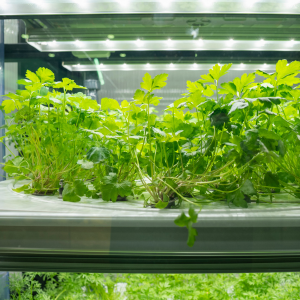
Different vegetables have different light requirements. Leafy greens like lettuce and spinach need moderate light, while fruiting vegetables such as tomatoes, peppers, and cucumbers require more intense, full-spectrum light to produce flowers and fruits. Understanding your vegetable type helps you choose a light that meets its specific needs.
2. Growth Stage
Vegetables go through multiple growth stages—seedling, vegetative, and flowering/fruiting. Seedlings benefit most from blue light, which promotes strong roots and leafy growth. Red light, on the other hand, is essential during the flowering and fruiting stages to maximize yield. Some grow lights offer adjustable spectrums to accommodate all stages, making them ideal for long-term indoor gardening.
3. Coverage Area
Measure the size of your growing space before choosing a light. A small countertop herb garden needs less coverage than a full indoor vegetable setup. Ensure your grow light can evenly illuminate all plants to prevent uneven growth.
4. Energy Efficiency
Indoor grow lights operate for several hours each day, so energy efficiency is crucial. LED lights are often the most energy-efficient, providing full-spectrum light without generating excessive heat, which also helps reduce electricity costs.
5. Budget
While it’s tempting to go for the cheapest option, investing in high-quality grow lights can pay off in better vegetable growth and longevity. Consider the balance between upfront cost and long-term savings in energy bills and plant yield.
By keeping these factors in mind, you can confidently select the best indoor grow lights for vegetables that match your space, budget, and growing goals.
Best 5 Indoor Grow Lights for Vegetables
Selecting the best indoor grow lights for vegetables is essential for ensuring healthy growth, especially when natural sunlight is limited. Based on recent expert reviews and user feedback, here are some top-rated options to consider:
1. Hytekgro LED Grow Light Panel
- Highlights: Lightweight design, low heat output, and bright illumination.
- Ideal For: Small to medium-sized indoor vegetable gardens.
- Why It’s Great: Its efficient design ensures that your vegetables receive the necessary light without overheating, promoting healthy growth.
2. LEOTER Grow Light for Indoor Plants
- Features: Three spectral modes, ten brightness levels, and multiple timer options.
- Best Suited For: Seedlings and herbs.
- User Feedback: Praised for aiding in quicker seed germination and healthier plant development.
3. Spider Farmer SF Series LED Grow Light
- Specifications: Full-spectrum LED ideal for all growth stages.
- Coverage Area: Suitable for small to medium indoor gardens.
- Why Choose It: Known for its energy efficiency and ability to provide the necessary light spectrum for vegetables.
4. BESTVA DC Series LED Grow Light
- Features: Includes VEG and BLOOM modes for tailored lighting.
- Best For: Grow tents and larger indoor setups.
- Advantages: Offers versatility with dimming options and is cost-effective for its features.
5. Gardyn Home Studio Indoor Garden
- Technology: Soil-free vertical hydroponic system with full-spectrum LED lighting.
- Capacity: Supports up to 20 plants.
- Ideal For: Apartment dwellers and those seeking a high-tech solution for indoor vegetable gardening.
What Is the Best Light for Growing Vegetables Indoors?
When it comes to indoor gardening, choosing the right light can make or break your vegetable harvest. Vegetables require specific wavelengths of light for photosynthesis, which drives healthy growth, strong stems, and flavorful produce. This is why selecting the best indoor grow lights for vegetables is essential.
Full-Spectrum LED Grow Lights: The Top Choice
Full-spectrum LED grow lights are widely regarded as the best option for indoor vegetables. They closely mimic natural sunlight, providing all the wavelengths your plants need—from blue light for leafy growth to red light for flowering and fruiting.
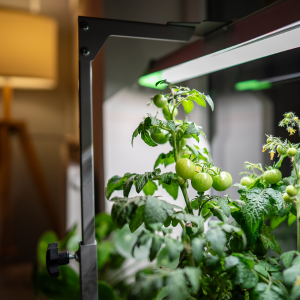
Benefits of Full-Spectrum LED Grow Lights:
- Energy-efficient, saving on electricity bills
- Minimal heat output, reducing the risk of burning plants
- Long-lasting, with many models offering 50,000+ hours of use
- Adjustable light intensity for different growth stages
Other Options to Consider
While LEDs are often the best choice, other lights can work depending on your setup:
- Fluorescent Lights (T5/T8): Great for seedlings, leafy greens, and small spaces.
- HID Lights (MH/HPS): Powerful lights suitable for larger vegetable gardens, especially fruiting plants.
Choosing the right light depends on the types of vegetables you grow, your available space, and budget. For most indoor gardeners, a full-spectrum LED grow light offers the most versatile and efficient solution.
What Is the Best Grow Light for Vegetable Seedlings?
Starting vegetable seedlings indoors requires the right light to encourage strong growth and healthy development. Without proper lighting, seedlings can become leggy, weak, or fail to thrive.
Full-Spectrum LED Grow Lights: The Top Choice
Full-spectrum LED grow lights are widely regarded as the best option for vegetable seedlings. They closely mimic natural sunlight, providing the essential wavelengths for photosynthesis. This promotes sturdy stems, vibrant leaves, and overall healthy growth.
Benefits of Full-Spectrum LED Grow Lights for Seedlings:
- Energy-efficient, saving on electricity costs
- Low heat output reduces the risk of burning young plants
- Long lifespan, often exceeding 50,000 hours
- Adjustable intensity for different stages of seedling growth
Other Grow Light Options
- Fluorescent Lights (T5/T8): Ideal for small setups or starting seedlings, offering gentle, consistent light.
- Compact HID Lights (MH): Suitable for larger seedling trays or early-stage growth in bigger gardens, though they produce more heat.
Tips for Using Grow Lights with Seedlings
- Height: Keep lights 8–12 inches above seedlings to prevent stretching and weak growth.
- Duration: Seedlings generally need 14–16 hours of light each day. Use a timer for consistency.
- Adjustability: Choose lights with adjustable height or flexible arms to accommodate growing seedlings.
By using the right grow light, you can ensure your vegetable seedlings get a strong start, leading to healthier plants and a more productive indoor garden.
How Many Hours of Light Do Indoor Vegetables Need?
Lighting is one of the most important factors for indoor vegetable growth. Vegetables rely on light for photosynthesis, which drives leaf development, flowering, and fruit production. When growing indoors, understanding the right duration of light is essential for healthy, productive plants.
General Guidelines for Light Duration
- Leafy Greens (lettuce, spinach, kale): 12–16 hours of light per day. These vegetables thrive under moderate light and can tolerate slightly shorter lighting periods.
- Fruit-Bearing Vegetables (tomatoes, peppers, cucumbers): 14–18 hours of light per day. These plants need longer exposure to encourage flowering and fruit set.
- Seedlings: 14–16 hours of light per day. Young plants require consistent light to develop strong stems and healthy leaves.
Using Timers for Consistency
To ensure your vegetables receive the right amount of light each day, using a timer is highly recommended. Consistent lighting mimics natural day-night cycles, prevents stress on the plants, and promotes even growth.
Adjusting Light Intensity
In addition to duration, pay attention to light intensity. Full-spectrum LED grow lights often allow you to adjust brightness according to the type of vegetable and its growth stage. Proper distance from the plants (usually 12–24 inches for most setups) ensures optimal light absorption without overheating.
By providing the correct hours of light, you can maximize the growth and yield of your indoor vegetables, making the most out of your best indoor grow lights for vegetables.
Can You Use Normal LED Lights to Grow Plants Indoors?
Many people wonder if standard household LED lights can substitute for specialized grow lights when growing vegetables indoors. While normal LEDs do emit some light that plants can use, they are generally not ideal for healthy vegetable growth.
Why Normal LED Lights Are Limited
- Light Spectrum: Plants need specific wavelengths—mainly blue and red—for photosynthesis. Standard LEDs typically emit a narrow spectrum optimized for human vision, not plant growth.
- Intensity: Household LEDs are often not strong enough to penetrate dense foliage, leading to weak or leggy plants.
- Distance Issues: Normal LEDs may need to be placed very close to plants to provide enough light, which can cause heat stress or uneven growth.
When Normal LEDs Might Work
For very small setups, such as growing herbs or microgreens on a windowsill, regular LEDs can give modest results if they are bright and placed very close to the plants. However, for vegetables that require significant growth, flowering, or fruiting, specialized full-spectrum LED grow lights are strongly recommended.
While normal LED lights can support some plant growth in a pinch, they cannot replace the effectiveness of the best indoor grow lights for vegetables. Investing in proper grow lights ensures your vegetables get the full spectrum and intensity they need for healthy development and higher yields.
Tips for Using Grow Lights Effectively for Indoor Vegetables
Using the best indoor grow lights for vegetables correctly can make a huge difference in plant growth, health, and yield. Here are some practical tips to get the most out of your indoor lighting setup.
1. Maintain the Proper Distance
The distance between your grow light and vegetables affects how well plants absorb light.
- Seedlings: Keep lights 8–12 inches above the young plants.
- Leafy Greens: 12–18 inches is usually sufficient.
- Fruiting Vegetables: 18–24 inches to avoid leaf burn while providing enough intensity.
Adjust the height as your plants grow to maintain optimal light exposure.
2. Use Timers for Consistent Light
Consistency is key for indoor vegetables. Most plants thrive with 12–16 hours of light per day, depending on the type. Using a timer ensures your vegetables receive a regular light cycle, mimicking natural day-night patterns.
3. Adjust Light Spectrum for Growth Stage
- Blue Light: Supports leafy growth and strong stems.
- Red Light: Encourages flowering and fruit production.
Many full-spectrum LED grow lights allow you to adjust the spectrum, making them perfect for different growth stages.
4. Monitor Plant Response
Watch for signs of too much or too little light:
- Too much light: Leaves may curl or turn yellow.
- Too little light: Plants may become leggy or pale.
Adjust light intensity and distance accordingly.
5. Combine with Proper Nutrition and Watering
Lighting alone isn’t enough. Healthy vegetables also need proper soil, nutrients, and watering to thrive. Well-fed plants respond better to grow lights, resulting in stronger growth and higher yields.
What’s the Difference Between Grow Lights and LED Lights?
Many new indoor gardeners wonder how grow lights differ from standard LED lights. Understanding this distinction is essential when selecting the best indoor grow lights for vegetables.
Light Spectrum
- Grow Lights: Designed to provide a full spectrum of light, including the blue and red wavelengths that plants need for photosynthesis. This ensures optimal growth, flowering, and fruiting.
- Standard LED Lights: Primarily emit light for human vision, often in a narrow spectrum that lacks sufficient red and blue light for healthy plant development.
Light Intensity
- Grow Lights: Produce strong, concentrated light suitable for indoor vegetables, even in low-light rooms.
- Standard LEDs: Usually emit lower-intensity light that may only support minimal growth, such as microgreens or small herbs.
Purpose and Design
- Grow Lights: Engineered specifically for plant growth, often with adjustable brightness, spectrum, and timers for different growth stages.
- Standard LED Lights: Made for general illumination, with no customization for plant needs.
Heat Management
- Grow Lights: Many modern LEDs for plants are designed to emit minimal heat, preventing leaf burn while maintaining energy efficiency.
- Standard LEDs: Can be cooler than traditional bulbs, but they are not optimized for plant growth conditions.
While regular LED lights can provide some light for seedlings or small herbs, they cannot replace the effectiveness of the best indoor grow lights for vegetables. Grow lights are specifically designed to give your plants the light they need to thrive indoors.
How Far Should LED Grow Lights Be from Plants Indoors?
Proper distance between your LED grow lights and vegetables is crucial for healthy indoor growth. Too close, and plants can get burned; too far, and they may become leggy or weak. Understanding the optimal height ensures your vegetables thrive under the best indoor grow lights for vegetables.
General Guidelines by Plant Type
- Seedlings: Keep LED grow lights about 8–12 inches above seedlings. This provides enough light intensity without scorching delicate young leaves.
- Leafy Greens (lettuce, spinach, kale): 12–18 inches above plants is ideal, giving moderate light for healthy leaf growth.
- Fruiting Vegetables (tomatoes, peppers, cucumbers): 18–24 inches above plants to deliver sufficient light for flowering and fruit production without causing leaf burn.
Adjusting for Light Intensity
The optimal distance may vary depending on the wattage and strength of your LED grow light. Always monitor your plants:
- Signs of Too Much Light: Leaves curl, turn yellow, or show brown spots.
- Signs of Too Little Light: Plants stretch toward the light, become pale, or grow slowly.
Using Adjustable Fixtures
Many modern full-spectrum LED grow lights allow you to adjust their height as your plants grow. Using adjustable fixtures ensures consistent light exposure throughout all growth stages.
Maintaining the correct distance is one of the easiest ways to maximize the effectiveness of your best indoor grow lights for vegetables, leading to stronger plants and higher yields.
Conclusion: Best Indoor Grow Lights for Vegetables
Providing your vegetables with the right light is essential for healthy growth and higher yields. The best indoor grow lights for vegetables, especially full-spectrum LEDs, mimic sunlight, support all growth stages, and are energy-efficient.
Keep lights at the proper distance, maintain consistent daily hours, and monitor plant health for best results. With the right grow lights, you can enjoy fresh, homegrown vegetables indoors all year round.