
If you’ve ever wanted to bring a little more green into your home but weren’t sure where to start, you’re in the right place. Indoor gardening is a fun, rewarding way to grow fresh herbs, veggies, or just add some lively houseplants to your space.
Even if you don’t have a huge backyard or a green thumb yet, creating a thriving indoor garden is easier than you think. In this guide, we’ll walk you through 7 easy steps to start indoor gardening for beginners—full of practical tips, creative ideas, and simple tricks to make your plants happy and healthy. By the end, you’ll feel confident turning any corner of your home into a cozy, green oasis!
Table of Contents
Why Indoor Gardening Is Worth It
There are countless reasons why more people are embracing indoor gardening today. Beyond adding greenery and life to your home, it offers emotional, environmental, and health benefits that can truly transform your living space.
Key Benefits of Indoor Gardening
1. Improved Air Quality:
Indoor plants act as natural air purifiers. They absorb toxins, release fresh oxygen, and create a healthier indoor environment—especially valuable if you live in urban areas with limited fresh air.
2. Stress Reduction:
Caring for plants is a soothing activity that lowers stress and anxiety. Studies show that spending time around greenery can improve focus, boost mood, and promote relaxation.
3. Year-Round Growing:
Unlike outdoor gardening, indoor gardening isn’t limited by weather or seasons. You can grow your favorite herbs, leafy greens, or even small vegetables all year long, right on your windowsill.
4. Homegrown Produce:
Imagine picking fresh basil for your pasta or mint for your tea directly from your own indoor garden. Growing your own produce gives you easy access to fresh, organic ingredients anytime.
5. Aesthetic Appeal:
Greenery instantly enhances your home’s décor. Whether it’s a hanging pothos or a tiny succulent on your desk, indoor plants create a calm, inviting, and peaceful space that feels closer to nature.
Ultimately, indoor gardening isn’t just about growing plants—it’s about creating a lifestyle of mindfulness, sustainability, and well-being. It connects you with nature, even if you live in the heart of the city.
7 Easy Steps to Start Indoor Gardening for Beginners
Indoor gardening is a rewarding way to bring nature into your home, improve air quality, and grow your own fresh herbs and vegetables. For beginners, it may seem overwhelming—but by following these 7 easy steps, you can start a thriving indoor garden, even in small spaces.
Step 1: Understand the Benefits of Indoor Gardening
Before you start, it’s important to know why indoor gardening is worth it. The key benefits include:
- Improved air quality: Plants filter toxins and release oxygen.
- Stress reduction: Caring for plants promotes relaxation and happiness.
- Year-round growing: Unlike outdoor gardens, indoor gardening can be done anytime.
- Homegrown produce: Fresh herbs and vegetables at your fingertips.
- Aesthetic appeal: Greenery enhances your living space and décor.
Indoor gardening is more than just plants—it’s a lifestyle that promotes mindfulness and well-being.
Step 2: Choose the Right Plants for Beginners
Some plants are easier to grow indoors than others. Start with hardy, low-maintenance options:
- Herbs: Basil, mint, parsley, thyme, chives.
- Leafy greens: Lettuce, spinach, kale.
- Succulents & cacti: Require minimal care.
- Air-purifying plants: Snake plant, pothos, spider plant, peace lily.
- Flowering houseplants: African violets, orchids, and anthuriums.
Pro Tip: Start with 2–3 plants and expand as you gain confidence.
Step 3: Select the Right Containers and Soil
The foundation of a healthy indoor garden starts with the right containers and soil. Tips include:
- Containers: Choose pots with drainage holes—terracotta, ceramic, or plastic all work.
- Self-watering pots: Helpful for beginners to maintain consistent moisture.
- Soil: Use high-quality indoor potting mix, not garden soil.
- Special mixes: Succulents need sandy soil; herbs and leafy greens thrive in nutrient-rich loamy soil.
Step 4: Provide Proper Light
Light is essential for plant growth in indoor gardening. Tips include:
- Natural sunlight: South-facing windows get the most light; east or west windows work for medium-light plants.
- Artificial light: LED grow lights mimic sunlight for low-light spaces.
- Rotate plants: Turn pots weekly to ensure even growth.
Step 5: Water and Maintain Your Plants
Proper watering and maintenance are crucial:
- Check soil moisture: Water only when the top inch is dry.
- Water deeply: Ensure roots receive enough moisture.
- Fertilize monthly: Use a balanced liquid fertilizer.
- Prune & clean: Remove dead leaves and dust foliage.
- Monitor pests: Watch for aphids, spider mites, and fungus gnats.
Step 6: Avoid Common Indoor Gardening Mistakes
Some mistakes can hinder your indoor garden’s success. Avoid:
- Overwatering.
- Insufficient light.
- Using the wrong soil.
- Ignoring pests.
- Overcrowding plants.
- Skipping routine maintenance.
Pro Tip: Be patient—plants grow at their own pace, and consistent care leads to healthy growth.
Step 7: Get Creative with Small Spaces
Even limited spaces can host thriving indoor gardens. Ideas include:
- Windowsill herb garden: Perfect for kitchens.
- Vertical gardens: Use shelves or wall-mounted planters.
- Hanging plants: Ideal for apartments with minimal floor space.
- Terrariums: Miniature indoor ecosystems for succulents or ferns.
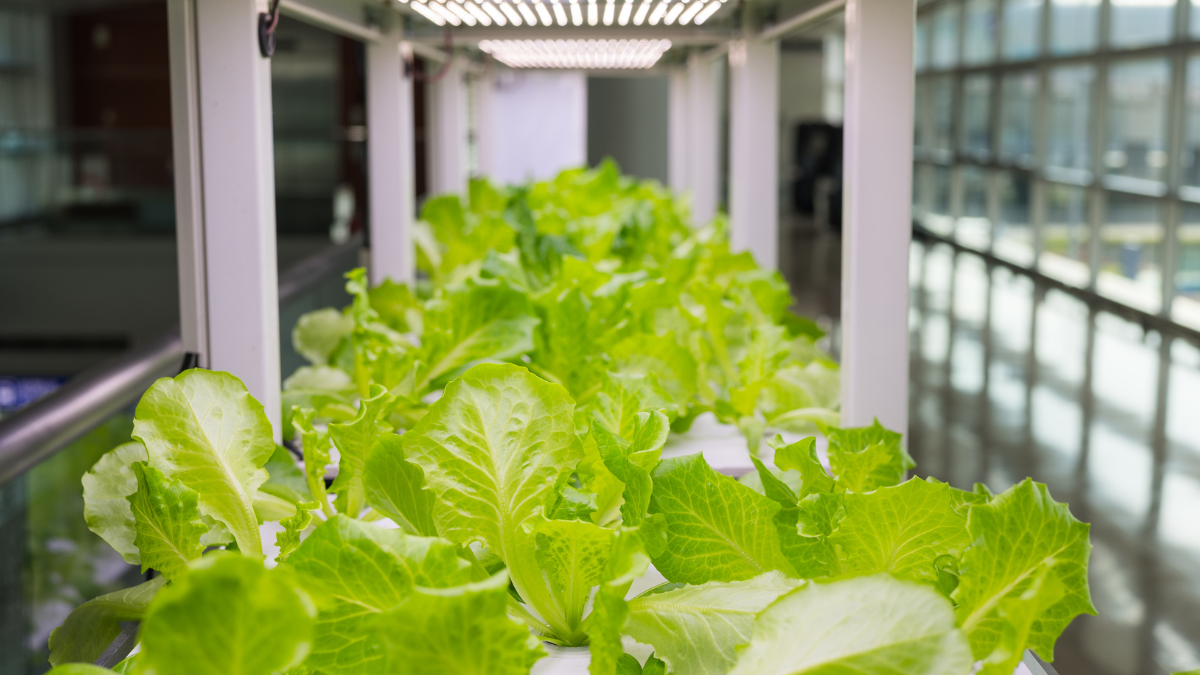
- Hydroponic systems: Soil-free growing for herbs and leafy greens.
Pro Tip: Mix and match plants and containers to maximize space and create a lush, green indoor environment.
Choosing the Right Plants for Indoor Gardening
When starting your indoor gardening journey, one of the most important steps is choosing the right plants. Not every plant thrives indoors, so selecting easy-to-grow, low-maintenance varieties will help you succeed—especially if you’re a beginner.
The best indoor plants are those that adapt well to limited sunlight, moderate temperatures, and smaller containers. They don’t require constant attention but still add beauty and freshness to your space.
Best Plants for Indoor Gardening Beginners
1. Herbs:
Start with easy culinary herbs like basil, mint, parsley, thyme, and chives. These herbs grow well on sunny windowsills and provide fresh flavor for your kitchen all year round.
2. Leafy Greens:
If you want to grow your own food, try lettuce, spinach, or kale. These greens grow quickly indoors and can be harvested multiple times from the same plant.
3. Succulents and Cacti:
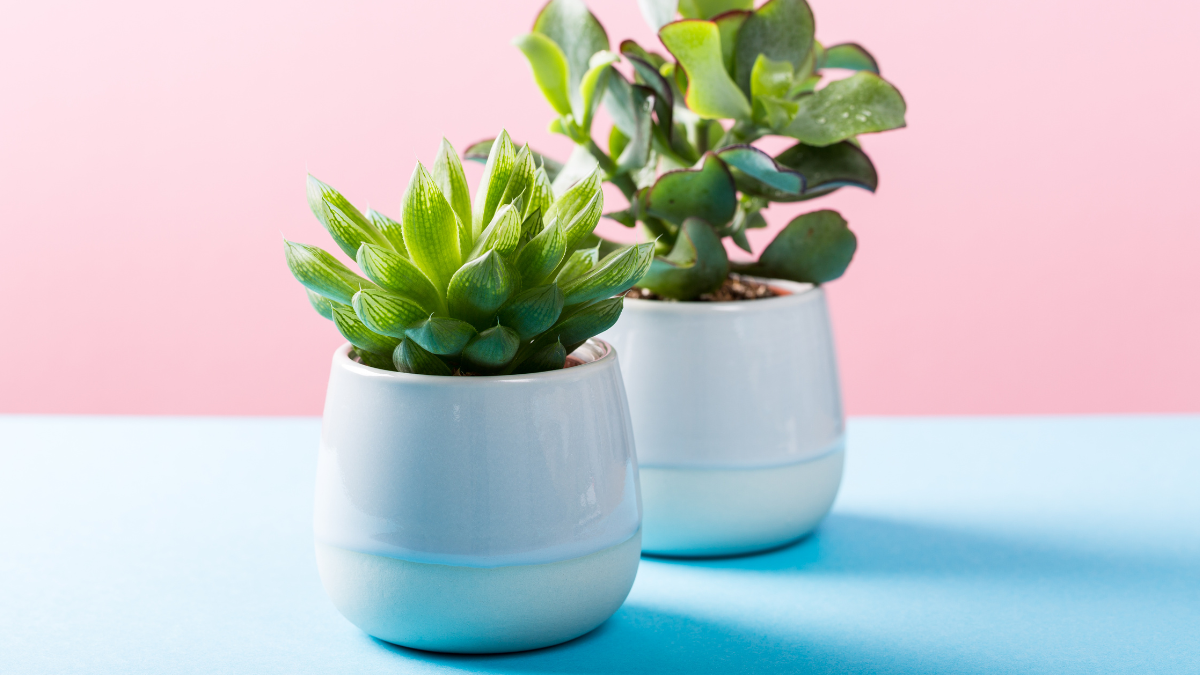
Perfect for beginners, succulents and cacti need very little water and thrive in bright, dry conditions. They’re ideal for office desks, living rooms, or window ledges.
4. Air-Purifying Plants:
Improve your home’s air quality with plants like snake plant, spider plant, pothos, peace lily, or ZZ plant. These are resilient and require minimal care.
5. Flowering Houseplants:
If you want to add color to your home, consider African violets, orchids, or anthuriums. They brighten up your space and make your indoor garden more vibrant.
Pro Tip: Start small—choose 2 or 3 easy indoor plants before expanding your garden. This helps you learn how different plants respond to light, watering, and care.
Selecting Containers and Soil for Indoor Gardening
The right containers and soil can make all the difference in your indoor gardening success. Whether you’re growing herbs, succulents, or leafy greens, your plants need a healthy foundation to thrive. Choosing the right pot and soil ensures proper drainage, air circulation, and nutrient balance for strong roots and vibrant growth.
Choosing the Right Containers
When it comes to containers, both style and function matter. Here’s what to keep in mind:
- Drainage Holes: Always choose pots with drainage holes. This prevents overwatering and root rot, one of the most common mistakes in indoor gardening.
- Material:
- Plastic pots are lightweight and retain moisture well.
- Terracotta pots are breathable and great for plants that prefer drier soil.
- Ceramic pots add style but can be heavier.
- Size: Match the pot size to your plant’s growth. Small pots are perfect for herbs, while larger ones suit vegetables and bigger houseplants.
- Self-Watering Planters: For beginners, self-watering containers are an excellent choice—they simplify watering schedules and maintain consistent moisture.
Choosing the Right Soil
Good soil is the foundation of healthy indoor plants. Outdoor soil is too dense and may contain pests, so always use a high-quality potting mix made specifically for indoor gardening.
Here’s what to look for:
- Lightweight and Well-Draining: A good potting mix should retain moisture but not stay soggy.
- Nutrient-Rich: Choose a mix that includes organic matter, peat moss, or coconut coir to nourish your plants.
- Custom Mixes:
- For succulents and cacti, use a sandy, fast-draining mix.
- For herbs and leafy greens, a loamy, nutrient-rich blend works best.
Pro Tip: Refresh your soil every 6–12 months by replacing the top layer or repotting your plants. This keeps nutrients balanced and encourages healthy root growth.
Light Requirements for Indoor Gardening
Light is one of the most essential factors in successful indoor gardening. Without enough light, your plants won’t be able to photosynthesize properly, leading to weak stems, pale leaves, and stunted growth. Whether you’re growing herbs on a kitchen windowsill or nurturing tropical houseplants, understanding light requirements will help your indoor garden thrive.
Understanding Plant Light Needs
Different plants need different levels of light. Knowing your plant’s preferences will help you position it in the best spot.
- Low-Light Plants: Pothos, peace lily, snake plant, and ZZ plant can thrive even in dim corners.
- Medium-Light Plants: Herbs like parsley and mint prefer indirect light but still need a few hours of brightness daily.
- High-Light Plants: Succulents, cacti, and basil love direct sunlight for at least 5–6 hours a day.
Tip: Always check the care label or research each plant’s light needs before deciding where to place it.
Using Natural Light for Indoor Gardening
Natural sunlight is the best source of energy for your plants. To make the most of it:
- South-Facing Windows: Receive the most light throughout the day and are ideal for sun-loving plants.
- East-Facing Windows: Get gentle morning light, perfect for herbs and delicate plants.
- West-Facing Windows: Offer warm afternoon sun, great for flowering plants.
- North-Facing Windows: Provide minimal light—best for low-light varieties.
Rotate your pots every week to ensure all sides of the plant receive equal sunlight. This promotes balanced, even growth.
Grow Lights for Indoor Gardening
If your home doesn’t get enough natural sunlight, don’t worry—grow lights are a great alternative for indoor gardening. Modern LED grow lights mimic the full spectrum of sunlight and are energy-efficient.
When using grow lights:
- Place them about 6–12 inches above your plants.
- Keep them on for 12–16 hours a day, depending on the plant’s light needs.
- Use a timer to maintain consistency.
Pro Tip: LED grow lights are ideal for apartments or rooms with limited natural light. They help your indoor garden flourish year-round.
Watering and Maintenance Tips for Indoor Gardening
Watering is one of the most important—and often most misunderstood—aspects of indoor gardening. Too much water can drown your plants, while too little can cause them to wilt and die. The key is finding the right balance based on each plant’s specific needs, container type, and environmental conditions.
How to Water Indoor Plants Properly
Here’s how to keep your plants healthy and hydrated without overdoing it:
- Check the Soil First: Before watering, touch the top inch of soil. If it feels dry, it’s time to water. If it’s still damp, wait another day or two.
- Water Deeply: Pour water slowly until it begins to drain out the bottom. This ensures roots get moisture evenly.
- Use Room-Temperature Water: Cold water can shock plant roots, while hot water can damage them.
- Avoid Overwatering: Overwatering is the number one mistake in indoor gardening. Always let the soil dry slightly between watering sessions.
Pro Tip: For consistency, create a simple watering schedule—about once a week for most houseplants, and every 3–5 days for herbs or plants in sunny spots.
Maintaining Healthy Indoor Plants
Beyond watering, regular maintenance is vital to keep your indoor garden thriving.
- Fertilize Monthly: Use a balanced liquid fertilizer every 4–6 weeks during the growing season (spring and summer).
- Prune Regularly: Trim dead or yellowing leaves to encourage new growth and maintain shape.
- Clean the Leaves: Dust can block sunlight. Wipe leaves gently with a damp cloth once or twice a month.
- Check for Pests: Watch out for small insects like aphids, spider mites, and fungus gnats. If you spot them, isolate the plant and use a natural insecticidal soap.
- Repot When Needed: If roots start growing out of the drainage holes, it’s time to move your plant into a slightly larger pot.
Keep Your Indoor Garden Thriving
Indoor gardening is about consistency and observation. The more you pay attention to your plants, the easier it becomes to spot early signs of stress or changes in growth. Over time, you’ll develop a natural rhythm—knowing when to water, prune, and nurture your plants for continuous, healthy growth.
Common Indoor Gardening Mistakes to Avoid

Starting your indoor gardening journey is exciting, but like any new hobby, beginners often make a few mistakes along the way. The good news? Most of these are easy to avoid once you know what to look out for. By understanding what can go wrong early on, you’ll save time, money, and keep your plants healthy and thriving.
1. Overwatering Your Plants
This is the most common mistake in indoor gardening. Many beginners think watering more means healthier plants—but too much water can cause root rot and fungal issues. Always check the soil before watering. If it feels damp, wait another day or two.
Pro Tip: Use pots with drainage holes and empty saucers after watering to prevent soggy roots.
2. Not Providing Enough Light
Even the best soil and care won’t help if your plants don’t get enough light. When plants don’t receive adequate sunlight, they become leggy, pale, and weak.
If your space doesn’t get much natural light, use LED grow lights to supplement. This simple step can make your indoor gardening efforts much more successful.
3. Using the Wrong Type of Soil
Outdoor soil is too heavy for pots and can contain pests or diseases. Always use a high-quality potting mix designed for indoor gardening. It’s lighter, well-draining, and nutrient-rich, helping your plants breathe and grow properly.
4. Ignoring Pests
Even indoor plants can attract small insects like aphids, spider mites, and fungus gnats. If you notice spots on leaves or tiny bugs, act quickly.
Quick Fix: Isolate the affected plant and use neem oil or an organic insecticidal soap to treat it. Regularly cleaning leaves can also prevent pest buildup.
5. Overcrowding Plants
It’s tempting to fill every corner with greenery, but overcrowding can restrict airflow and spread diseases. Give each plant enough space to grow and expand naturally.
If you’re short on space, vertical gardening or hanging planters can help you enjoy indoor gardening without crowding your surfaces.
6. Skipping Routine Maintenance
Pruning, cleaning, and checking for pests are vital parts of indoor gardening. Neglecting these tasks can lead to slower growth or unhealthy plants. Make it a habit to inspect your plants weekly—just a few minutes of attention can make a big difference.
Be Patient
Plants grow at their own pace. Don’t get discouraged if you don’t see results immediately. With consistent care, observation, and patience, your indoor garden will flourish and reward you with beauty and fresh energy every day.
Indoor Gardening Ideas for Small Spaces
One of the best things about indoor gardening is that you don’t need a big backyard or large space to enjoy it. Even if you live in an apartment or a small home, you can still create a lush indoor garden with a bit of creativity. With the right setup, every corner, shelf, and window can become a mini oasis.
1. Windowsill Herb Garden
Your kitchen windowsill is the perfect spot for growing fresh herbs like basil, mint, thyme, and chives. These herbs love natural light and can be easily accessed when cooking. A windowsill herb garden adds greenery, fragrance, and convenience to your daily routine.
2. Vertical Indoor Garden
When floor space is limited, think vertically. Install wall-mounted planters, stackable shelves, or a hanging plant rack. Vertical indoor gardening not only saves space but also turns plain walls into beautiful, living art.
Pro Tip: Use trailing plants like pothos, ivy, or philodendrons for a cascading effect that looks stunning indoors.
3. Hanging Plants
Hanging planters are ideal for apartments or studios where every inch counts. They add depth and dimension to your home while keeping tabletops clutter-free. Great options include spider plants, ferns, and string-of-pearls.
Tip: Hang them near windows for bright, indirect light—perfect for thriving indoor plants.

4. Terrariums and Mini Gardens
If you want something low-maintenance and decorative, try a glass terrarium. These tiny, enclosed gardens are perfect for succulents, moss, or ferns. They’re easy to care for and make elegant centerpieces for desks, coffee tables, or shelves.
Terrariums are one of the most creative ways to explore indoor gardening in small spaces without needing much sunlight or water.
5. Shelf Gardens
Use floating or corner shelves to display your indoor plants. Mix and match small pots of herbs, succulents, and decorative plants for a layered look. Shelf gardens not only maximize vertical space but also add a touch of nature to any room.
6. Hydroponic or Water Gardens
For a modern twist on indoor gardening, try hydroponics—growing plants in water instead of soil. Compact hydroponic kits let you grow herbs and greens year-round with minimal mess. They’re perfect for use in kitchens or on countertops.
Final Thoughts on Indoor Gardening
Indoor gardening is more than just a trend—it’s a mindful, rewarding lifestyle that brings nature closer to you. Whether you’re growing herbs for your kitchen, decorating your living room with houseplants, or nurturing leafy greens in small containers, every bit of greenery adds life and positive energy to your home.
The beauty of indoor gardening lies in its flexibility. You can start small—with just a single plant—and gradually expand as you gain experience. Each plant you grow teaches you something new about patience, care, and the quiet joy of nurturing life.
Remember, there’s no such thing as a perfect indoor gardener. Every home, plant, and person is unique. The key is consistency—observe your plants, adjust as you learn, and celebrate the small victories like a new leaf or fresh sprout.
By embracing indoor gardening, you’re not just decorating your space—you’re creating a healthier, more peaceful environment that supports your well-being year-round. So grab a few pots, some soil, and a sunny window, and start your journey toward a greener home today.